


auto accessories
Keywords: auto parts , autoparts, car accessories, auto accessories, aftermarket auto parts The auto parts ( Factory customized automatic Transmission powder metal sintered synchronizer hub ) industry lies at the core of technological advancements propelling global mobility. With escalating consumer demands for fuel efficiency, eco-friendliness, and seamless driving experience, the sector has experienced rapid growth in both OEM (Original Equipment Manufacturer) and aftermarket auto parts, car accessories, and auto accessories segments. 1. Global Industry Trends: Data-Driven Overview According to the Grand View Research , the global auto parts market size was valued at USD 390.4 billion in 2022 and is projected to reach USD 519.7 billion by 2028 , growing at a CAGR of 4.7%. The surge is driven by smart manufacturing (Industry 4.0), powder metallurgy innovations, the rise in electric vehicles, and the robust demand for high-performance autoparts . Key Market Segments and Growth Drivers in Auto Parts Industry (2023-2028) Market Segment 2022 Value (USD bn) Expected CAGR Major Drivers Aftermarket Auto Parts 89.2 6.2% Custom car accessories, digital channels OEM Auto Parts 301.2 3.9% R&D, high-precision materials, modular assemblies Powder Metallurgy Components 23.5 8.1% Fuel efficiency, lightweighting, emission standards Electric Vehicle Accessories 19.8 14.4% EV expansion, advanced batteries Key Trends: Advanced Powder Metallurgy : Enabling highly durable & precision auto parts for modern transmissions. Digital Aftermarket Platforms : Accelerating access to aftermarket auto parts. Sustainability Focus : Adoption of recyclable alloys, energy-efficient production. Customization & Modular Upgrades : For diverse applications in petrochemical, metallurgy, water treatment, and more. 2. Product Introduction Product Name: Factory customized automatic Transmission powder metal sintered synchronizer hub Product URL: https://www.jssintering.com/factory-customized-automatic-transmission-powder-metal-sintered-synchronizer-hub.html Core Features: Material: Fe-Cu, Cu-based, or stainless powder metallurgy alloys Manufacturing: Powder sintering, precision CNC, secondary heat treatment Standard Compliance: ISO 9001, IATF 16949 (Automotive), ANSI B18 Applications: Automotive transmission, industrial machinery (petrochemical, metallurgy), water pipeline automation Performance: Wear-resistant, corrosion-protected, low friction, extended MTBF (>1.2 million cycles) 3. Auto Parts Manufacturing Process: Step-by-Step Diagram Raw Material Selection High-purity metal powders (Fe, Cu, Mo, Graphite, etc.), particle size analysis, material blending compliant with ISO/TS 6336 → Powder Compaction High-tonnage mechanical press (up to 800T), forming synchronizer’s geometry with tight tolerances Sintering Process Thermal treatment (1090°C–1120°C) in controlled-atmosphere furnace for metallurgical bonding → Secondary Operations CNC machining for precision finishing; oil impregnation; laser marking Quality Inspection Non-destructive tests (NDT), dimensional checks, hardness & fatigue testing ( ISO 6508 ), X-ray microstructure analysis → Packing & Delivery Moisture-proof, traceability labels, global logistics support Key Quality Control Points: All metallurgical processes align with ISO 9001 and IATF 16949 Dimensional precision: ±0.005 mm on critical fits, verified by CMM (Coordinate Measuring Machine) Batch traceability and raw material certification file retention 4. Technical Parameters: Industry Benchmarks and Product Comparison Comparison Table: Transmission Synchronizer Hubs (Powder Metal VS Traditional) Specification Powder Metal Sintered Hub (Product) Conventional Cast Hub Pressed Steel Hub Material Fe-Cu, Fe-Mo powder alloy Grey iron cast High alloy steel Density (g/cm 3 ) 6.8–7.3 7.1–7.5 7.7–7.9 Ultimate Strength (MPa) >600 400–500 620–710 Surface Hardness (HRC) 55–62 45–53 50–56 Surface Finish (μm Ra) 0.7–2.0 2.5–3.2 1.0–2.0 Manufacturing Cycle 10–14 days 18–28 days 16–21 days Environmental Compliance Reach, RoHS, ISO 14001 Partial Partial Life Expectancy (cycles) 1.2M+ 0.6–0.9M 1.0M+ Corrosion Resistance Excellent (Passivated) Poor–Medium Good Powder Metal Cast Iron Pressed Steel Relative Life Cycle (1M=100%) Powder Metal Cast Iron Strength (MPa) Across Material Types 5. Technology Advantages: Why Choose Factory Customized Powder Metal Sintered Synchronizer Hub? Superior Durability & Wear Resistance: Sintered powder alloys present microstructures optimized for high friction, maintaining transmission performance even in extreme automotive workloads. Energy-Efficient Production: Compared to casting/forging, powder metallurgy slashes energy use by 35–40% (source: Metal Powder Industries Federation ). Reduced Weight & Improved Fuel Economy: Up to 12% lighter than conventional cast hubs—benefitting automotive and heavy industry customers seeking efficiency. Precision Fit & Tolerance: Achieves F7/h6 fits for synchronization, ensuring seamless shifting with minimal noise/vibration. Eco-Friendly Compliance: All auto parts comply with REACH & RoHS, promoting sustainable production for automotive OEMs and aftermarket. Custom Engineering: Product geometry, alloy formulation, and surface finish all tailored per customer technical drawing or usage scenario. Manufacturer Comparison Table (2024 Benchmark) Company Core Process Main Market Certifications Product Lifetime (cycles) Custom Options JSSintering Powder metallurgy, CNC Europe, US, Asia ISO 9001, IATF 16949 1.2M+ Full specs, drawing-based Federal-Mogul Forging & machining Global QS 9000, ISO 14001 0.95M+ Limited GKN Sinter Metals Powder metal, hot isostatic pressing Europe, NA ISO 9001, TS16949 1.1–1.3M Project basis Mahindra CIE Casting + CNC Asia, Europe IATF 16949 0.8M–1.1M Standard 6. Custom Solutions: Engineering to Application Customization Scope: Geometry: Tooth profile (spur, helical, custom), spline form, mounting holes per customer spec Surface Treatment: Phosphate coating, oil impregnation, passivation for corrosion-proofing Metallurgy: Fe-Cu, Fe-Ni, Fe-Mo blends for specialized strength/ductility Application: Petrol vehicles, hybrid/electric cars, heavy trucks, petrochemical pumps, steel rolling line automation, municipal water systems Batch Size: Suitable for 500–5 million units/year, with rapid prototype validation in 14 days Engineering Collaboration: In-depth client consultation (including reverse engineering for legacy auto parts) Usage simulation: Finite Element Analysis (FEA) per ANSI B5.54 Material/fatigue tests and documentation delivered 7. Typical Use Cases & Customer Feedback Automotive Sector OEM Transmission System Supplier: “Reducing shift vibration by 18%, powder-metal synchronizer hubs from JSSintering outlasted cast parts by nearly 30% in SAE J2522 durability tests.” EV Startup (Europe): “Custom geometry enabled seamless integration into dual-clutch units and cut component weight by 11%—delivering superior performance for electric drive platforms.” Non-Automotive Applications Petrochemical Automation: Synchronizer hubs adapted for corrosion resistance, certified by third-party SGS testing. Steel Industry: Custom sintered gears withstand high-temp, acidic environments (ISO 1127-grade). Municipal Water Utility: Powder metal hubs used on automated inlet valves for longevity in high-humidity, calcium-rich water supply sites. 8. Delivery Time, Warranty & Support Service Delivery & Service Terms (JSSintering) Aspect Detail Sample Lead Time 10–14 days Mass Production Cycle 25–30 days/lot Warranty 24-months or 1.2M operating cycles (whichever first) QC Inspection 100% before shipment, with batch reports After-Sales Support Technical consulting, expedited logistics, custom packaging 9. Professional FAQ on Auto Parts Terminology Expert FAQ – Frequently Asked Technical Questions Q1: What specific materials are used for powder metal synchronizer hubs? A: These auto parts utilize Fe-Cu, Fe-Mo, Fe-Ni, and stainless steel powder blends, chosen for high wear and corrosion resistance in transmission assemblies. Q2: What are the dimensional tolerances for critical features? A: Typical tolerances reach ±0.005 mm on spline widths and mounting bores, checked via CMM (Coordinate Measuring Machine). Q3: Which industry standards cover manufacturing of these hubs? A: Compliance includes ISO 9001 (Quality Management), IATF 16949 (Automotive), and product-specific ISO/ANSI gear mesh standards. Q4: How is heat treatment performed, and what hardness is achieved? A: Sintered hubs undergo controlled atmosphere carburizing or induction hardening, achieving surface hardness of HRC 55–62. Q5: How is corrosion resistance ensured for corrosive environments? A: Surface treatments include phosphate coating, oil impregnation, or stainless powder alloy use for maximum corrosion protection. Q6: Are there special installation guidelines? A: Install per OEM torque specs; compatible with standard transmission assembly procedures and tools (refer to ANSI B18). Q7: Can these auto parts be retrofitted into legacy vehicle models? A: Yes, through custom drawing submission and reverse engineering, solutions are tailored for automotive, heavy vehicle, and industrial upgrades. 10. Final Thoughts: Leveraging Industry Expertise for Reliable Auto Parts Whether for OEM, aftermarket, or specialized industrial needs, auto parts produced with precision powder metallurgy are redefining performance, sustainability, and lifecycle value. With compliant engineering, robust quality control, and tailored service, JSSintering’s factory customized automatic Transmission powder metal sintered synchronizer hub stands out as a benchmark among advanced car accessories and auto accessories. References & Further Reading: - Grand View Research: Automotive Parts Aftermarket Market Analysis - Metal Powder Industries Federation: Powder Metallurgy Industry Data - SAE Technical Paper: Evaluation of Lifetime in Transmission Hubs - Review of Powder Metallurgy for Automotive Applications - IATF 16949 Automotive Certification


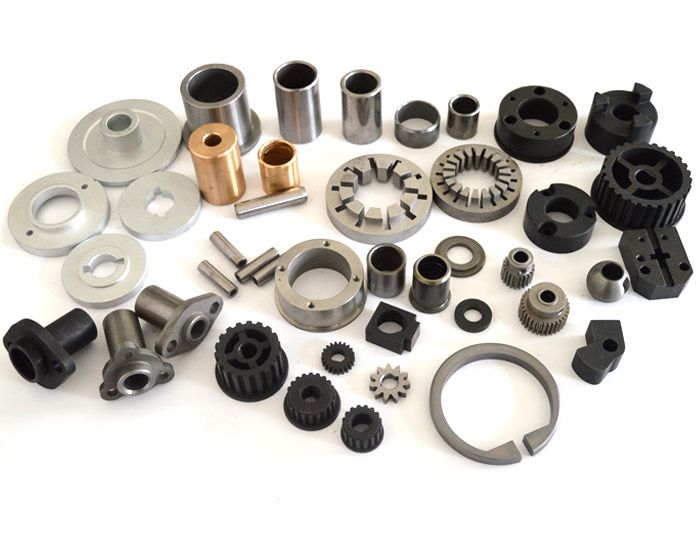
Wholesale Motorcycle Parts: Powering Rides with Engine Components, Sprockets, and Precision Camshafts
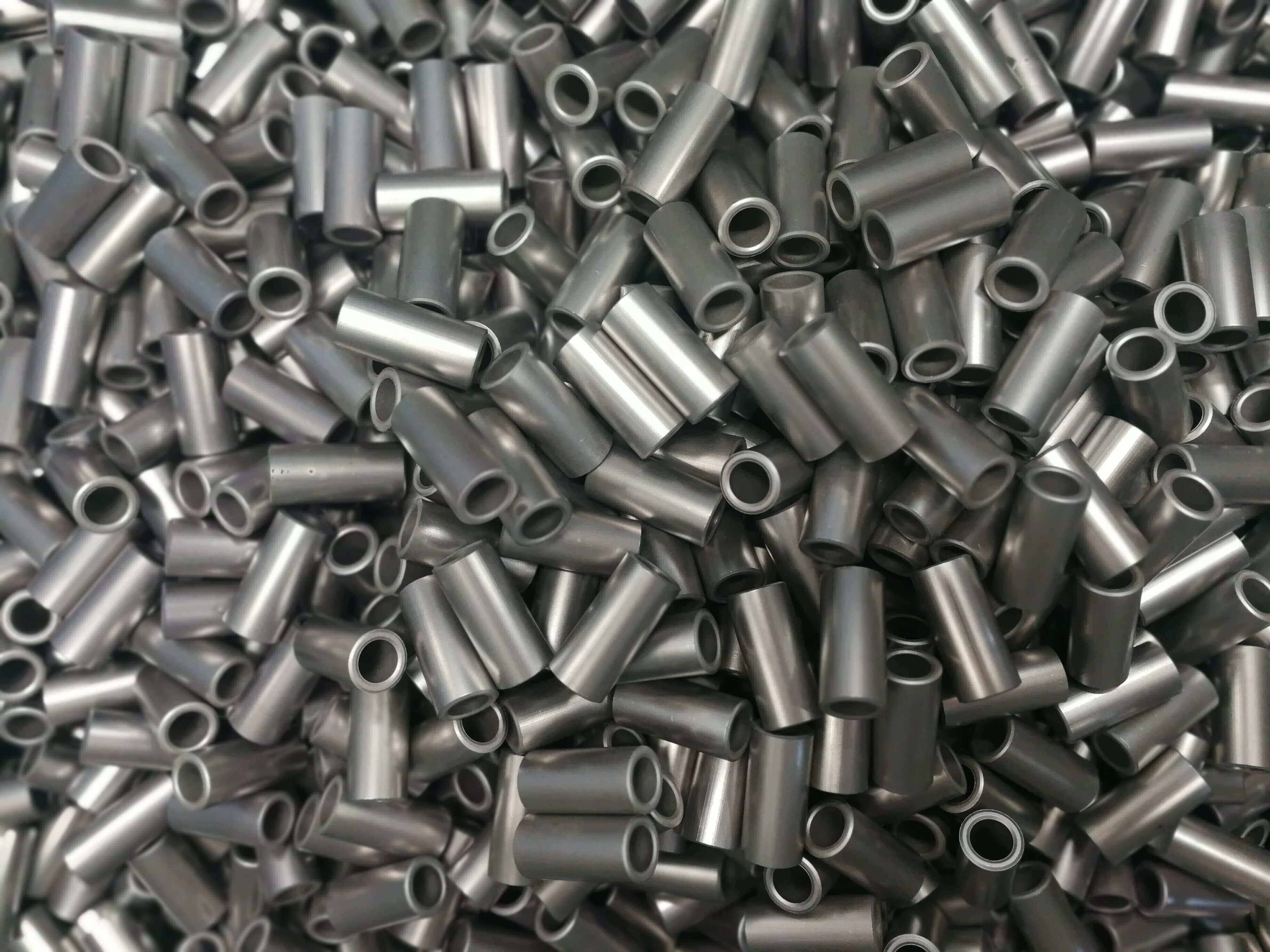
Water Pump Wheel-Jingshi|Industrial & Automotive Applications&Precision Engineering

Common Types of Gears: Optimal Power Transmission Solutions
Subscribe For Newsletter

Shijiazhuang JingShi New Material Science and Technology Co., Ltd was founded since 2014, located in Shijiazhuang, Hebei province, China. The company covers an area of over 10,000 square meters and has


PRODUCTS

QUICK LINKS
CONTACT US
Address:TIANSHAN INTERNATIONAL MANUFACTURING INDUSTRY PARK NO.57, YUANSHI, SHIJIAZHUANG CITY, HEBEI PROVINCE, CHINA
Address:TIANSHAN INTERNATIONAL MANUFACTURING INDUSTRY PARK NO.57, YUANSHI, SHIJIAZHUANG CITY, HEBEI PROVINCE, CHINA